
MacroVation works the full chain — materials enable processes, processes enable hardware, hardware enables systems, systems enable programs. We don't hand customers a beaker and a slide deck; we deliver the integrated capability all the way through.
Materials are the differentiator. Systems are the product. MacroVation develops material behavior, delivery architecture, measurement, and transition planning together because mission outcomes depend on the full system — not chemistry alone.
Polymers, composites, elastomers, and reactive systems formulated to enable specific physical, mechanical, and chemical behaviors. The starting point for every system MacroVation builds.
Translating material behavior into a repeatable process — mixing, dispensing, curing, molding, additive deposition, or whatever the material requires — at the scale and tolerance the next step needs.
Building the fixtures, tooling, dispensers, molds, and prototype assemblies that turn a process into actual hardware. The bridge from material in a beaker to system on a bench.
A 9,000 sq ft Fairlawn, Virginia facility configured for formulation, fixture development, hardware preparation, testing, characterization, and prototype support.
Funded defense R&D programs managed against sponsor milestones, deliverables, reporting cadence, and transition-relevant data packages.
Materials, processes, hardware, and systems are developed together — not handed off in pieces — so customers see prototype performance under the conditions that actually matter to them.
Each lane reflects active funded work where MacroVation connects material behavior, delivery architecture, prototype hardware, and measured performance around sponsor-defined outcomes.
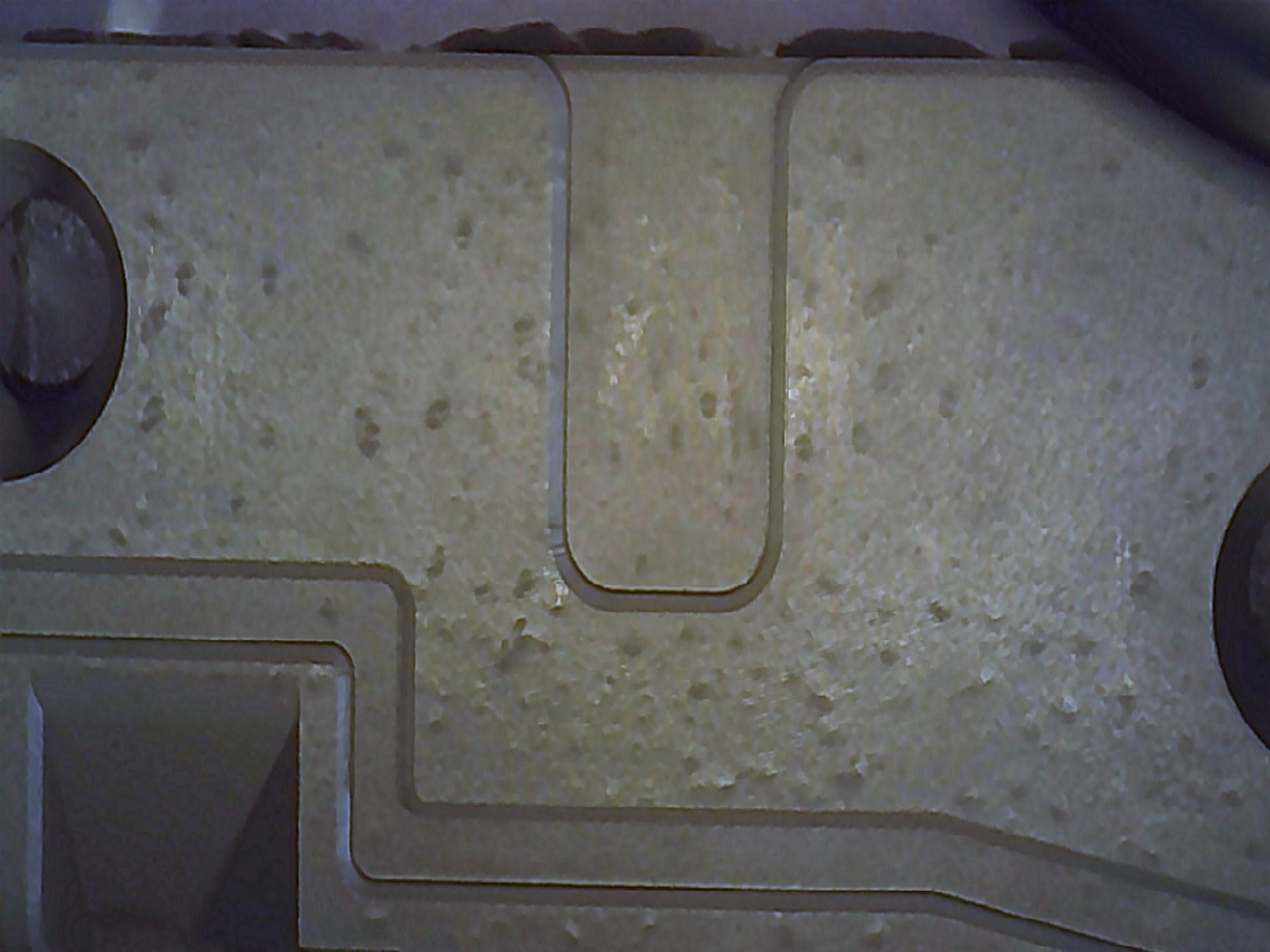 01 · Tooling
Precision tooling and prototype hardware for programs where geometry, surface quality, dimensional control, and production speed drive system-level performance.
Explore capability →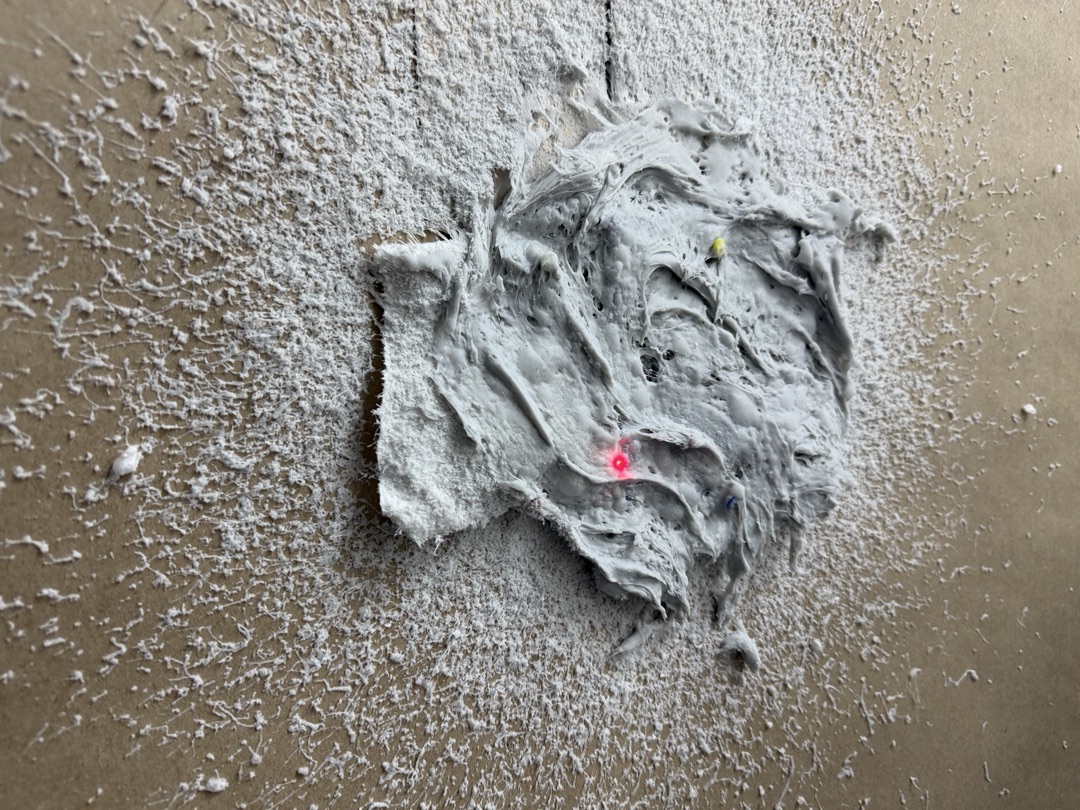 02 · Delivery
Delivery architectures for controlled material effects at distance — integrating formulation, flow behavior, dispensing hardware, target interaction, and measured performance.
Explore capability →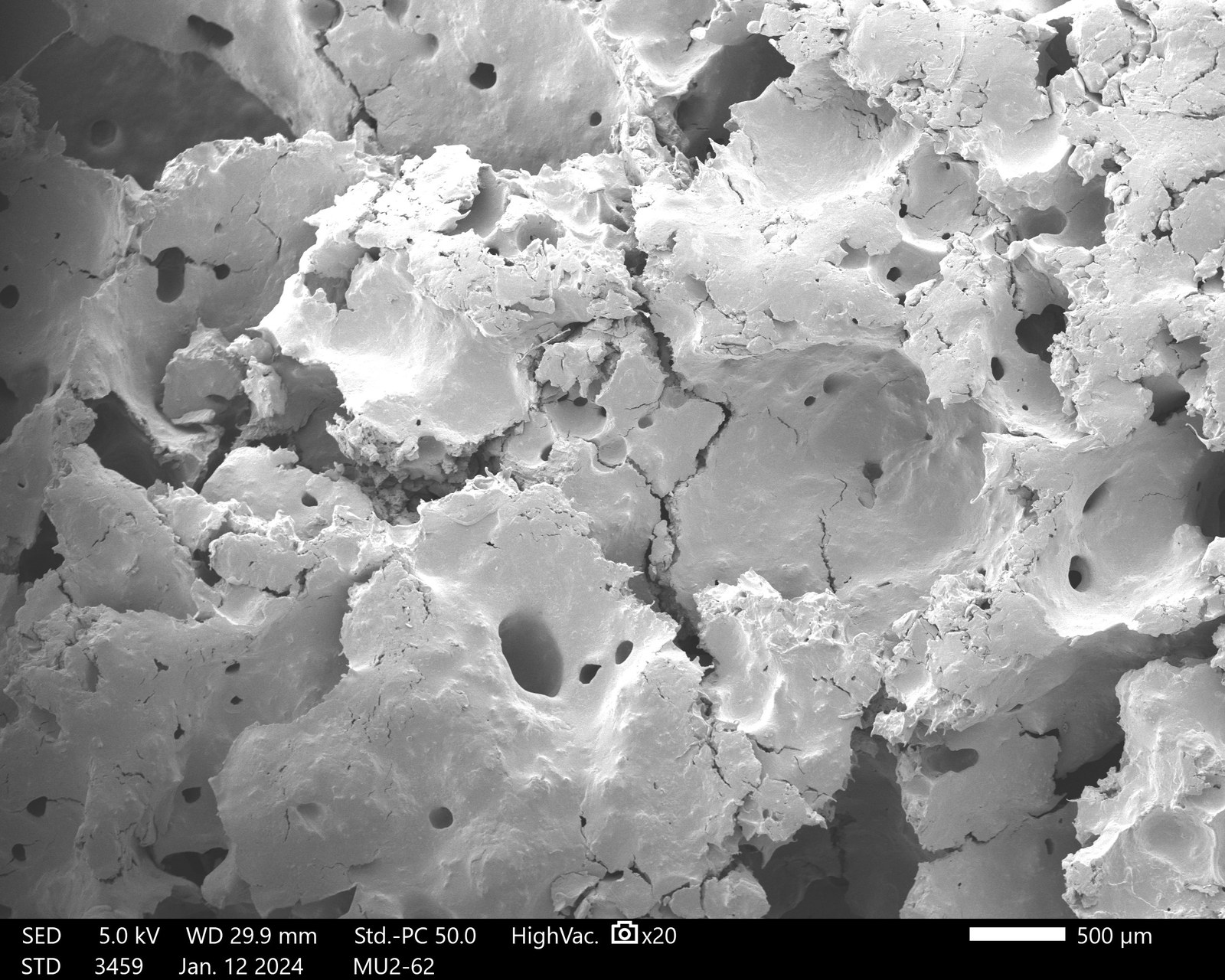 03 · Recovery
Material-enabled and systems-level approaches supporting measurable warfighter recovery, performance restoration, and operational-readiness outcomes.
Explore capability →MacroVation’s hardware competence spans three distinct platforms. Each active program draws from the platform that fits its mission — not from a shared toolkit. Each platform has its own hardware, its own performance vocabulary, and its own evidence path.
Stand-Off Non-Lethal Immobilization
Rapid, targeted, removable non-lethal immobilization of personnel, animals, equipment, and small platforms at distance. Backpack-portable and drone-mounted variants.
Programs: USMC TacFOAM · USMC Counter-Drone & Vehicle Stopping
Hardware we build
Performance we measure
Composite Continuous-Process
Continuous resin impregnation of fiber-reinforced webs, controlled cure, cut, and integration into sewn assemblies — delivered as full prototype mattresses with superior shock attenuation, pressure redistribution, and fire/smoke/toxicity resistance.
Programs: ONR Warfighter Recovery Materials
Hardware we build
Performance we measure
Additive-to-Cast Hybrid Tooling
Hybrid additive composite tooling for compression and injection molding of difficult materials — vinyls, neoprenes, and other technical elastomers. A faster, lower-cost path than conventional stainless-steel tooling for iteration, low-volume runs, and surge production.
Hardware we build
Performance we measure
Specific measures vary by program. Above are example categories — full performance frameworks are program-specific and shared under NDA with qualified partners.
MacroVation works with government program offices, defense primes, platform integrators, and strategic partners evaluating material-enabled systems that require integrated chemistry, delivery hardware, performance validation, and transition planning.